If you have been watching Bigg Boss 20, you may have caught Srinagar-born singer Qazi Touqeer inviting fellow contestant Gullu home to Kashmir. The incentive he named was Mirchi Korma made by his mother and wife. Food writers picked up the moment, and families started asking us a different question: if a Kashmiri family ever invites us in for tea or a meal, how do we behave well?
This is our practical answer. It is a family etiquette guide for accepting hospitality in Kashmir — shoes, greetings, tea, shared plates, photos, and how to say you have had enough without sounding rude. Nothing here is about any one celebrity household.
D2 Holidays is not affiliated with Qazi Touqeer or Bigg Boss. We are a J&K Tourism registered tour operator in Srinagar, and we simply want travelling families to feel confident when someone opens their door.
Lead with warmth: accept the tea
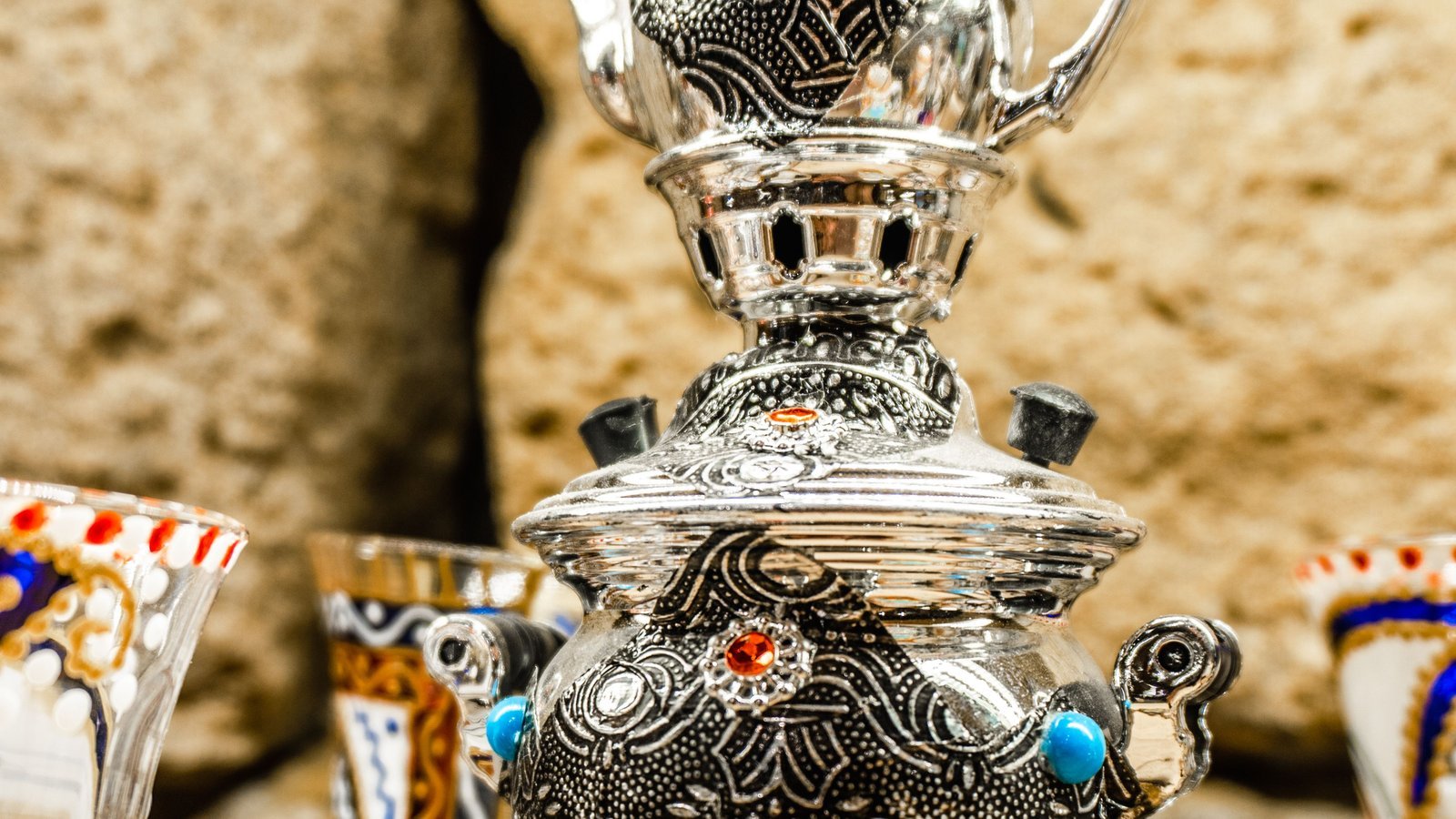
Kashmiri hospitality often starts with a cup. Local writers describe tea as one of the first things that appears after a guest arrives. You may be offered Kahwa (also spelled kehwa) — a fragrant green tea with saffron, cardamom and often almonds — or Noon Chai / Nun Chai, the pink salted tea that many households enjoy with fresh bakery bread in the morning.
The polite move for a visitor is simple: accept. Even a few sips show respect. If you cannot drink much caffeine, say so gently after tasting, rather than refusing at the door. Compliment the host. That small courtesy goes a long way.
Before you go: dress and mindset
Dress modestly. Travel guides for Kashmir recommend covering shoulders and knees, especially in homes and older neighbourhoods. Comfortable clothes you can sit in matter more than fashion — some meals are still shared on a floor cloth, and you want to be able to sit cross-legged without fuss.
Leave politics and conflict talk outside. Hosts are opening their private space; they do not owe you a briefing on the region. Keep questions light: food, family travel, the children's school holidays. Offer a small gift from your own town if you like (sweets or dry fruit are easy), but it is not expected.
A respectful greeting many Muslim households appreciate is As-salamu alaykum ("peace be upon you"), with the reply Wa alaykumu as-salam. Shukriya (thank you) is widely understood. Use what feels natural; a sincere smile and a clear thank-you already mark you as a good guest.
At the door: shoes and space
Follow the host's lead with shoes. Many Kashmiri homes expect guests to remove shoes at the entrance, and dining areas for traditional meals often keep footwear outside the room. If a rack or a line of slippers is by the door, take the hint. If you are unsure, ask once: "Shall I leave my shoes here?"
Respect personal space. Handshakes are common among men in many settings; with women and elders, wait for them to initiate contact. Do not wander into closed rooms or kitchens unless invited.
At the meal: shared plates and a few manners
Everyday home meals and a full wedding-style wazwan are different occasions, but a few manners travel well.
Wash your hands before eating when the host offers water or a basin. At a formal wazwan, guests traditionally wash using a copper basin and jug known as the tash-t-naer, then share food from a large copper platter (trami / traem), usually four people to one plate — a pattern described on official cultural pages for the feast. Stay in your own quarter of the rice; do not reach across another guest's side.
Use your right hand for eating and for accepting or passing food, which is standard dining etiquette across much of South Asia and is expected at a traditional shared plate. If you need a spoon, ask quietly; hosts are used to visitors.
Take small portions when dishes keep arriving. A ceremonial wazwan can run many courses; filling your section of the plate on the first ladle makes the evening harder for everyone. For a lighter look at eating in Srinagar with children, see our Kashmir food trail with kids. (If Mirchi Korma and the wider wazwan menu are what brought you here, we already wrote a separate family guide to that dish.)
How to decline more food politely
Hosts take pride in feeding guests well. Refusing everything can feel cold; clearing more than you can manage helps no one. The middle path is to thank them, take a little, and when you need to stop, say clearly that you are full and that the food was wonderful. Some families recognise a quiet palm-down gesture over the rice as "enough" — customs vary by home, so warmth and thanks matter more than any fixed phrase.
If the meal closes with Kahwa, accept at least a sip. Writers who document wazwan etiquette treat the closing cup as part of honouring the cook and the host.
Photos, phones and privacy
Ask before photographing people, especially women and children, and before photographing the inside of a private home. The same rule applies at religious sites. Put phones away at the table unless the host is sharing pictures first. Your children's photos of the meal can wait until you have permission.
Visiting with kids
Kashmiri families often welcome children warmly. Tell your hosts the children's ages and any allergies when you accept the invitation. Bring a quiet activity for little ones if the meal will be long. Taste spicy dishes yourself before offering them to a child, and keep yoghurt or plain rice nearby. One special meal night is usually enough for small stomachs.
If you are planning a wider trip around family visits, our Kashmir family package is built for multi-generational groups, and our Srinagar destination page covers where families usually base themselves in the city.
A few quick answers
Do I have to eat meat? A classic wazwan is mostly meat. Everyday home cooking may include vegetable dishes. Tell the host early if anyone is vegetarian; they can usually arrange a side plate.
Is it rude to leave food? Avoid wasting what you took. Take less at the start; ask for more if you want it.
What if I do not speak Kashmiri? Urdu, Hindi and English are widely used with guests in Srinagar. Polite greetings and shukriya are enough to show effort.
Can we ask to see a wazwan cooked at home? That is a big ask of any family. Many visitors instead book a restaurant or hotel wazwan evening through a local desk so the invitation stays a gift, not a burden.
Plan your Srinagar days with us
Curiosity from a Bigg Boss conversation is a fine reason to care about Kashmiri hospitality. The better reason is the families who open their doors for tea and treat travelling children like their own. Tell us who is coming, whether you hope for a home visit through friends or an arranged wazwan night, and how spicy the eaters are. We will shape the rest of the Srinagar days around it.
Call or WhatsApp +91 70062 71178, email info@d2holidays.com, or visit us on Boulevard Road, Srinagar.
D2 Holidays is not affiliated with Qazi Touqeer or Bigg Boss. References to the show are for cultural context only.